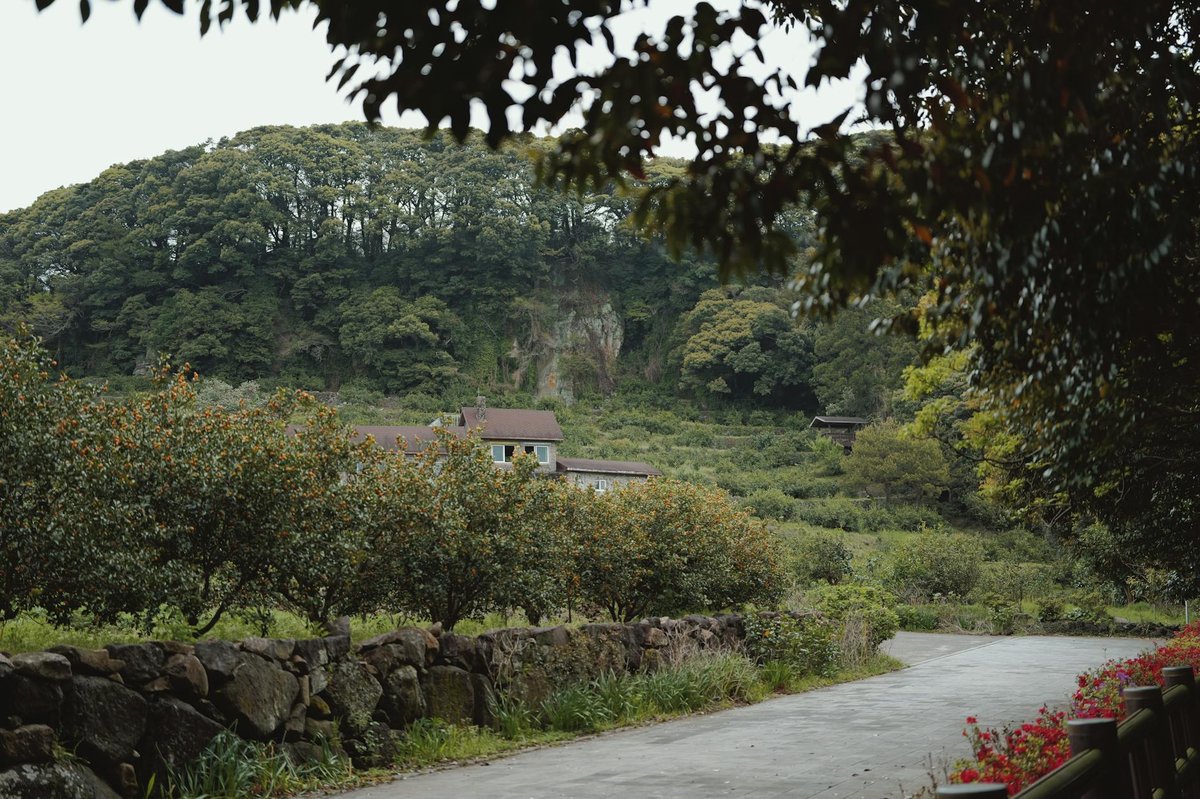
Jeju Island in July is Korea's rainiest major travel destination — averaging 300–320mm of rainfall in a single month. Typhoon watches can shut coastal roads overnight with zero notice. I'm telling you this upfront because I learned it the hard way: on my third July visit, I got my rental car partially flooded in a Seongsan parking lot during a typhoon watch. Water up to the door sills. ₩2.3 million in damage that my basic policy flatly refused to cover. That's why this guide exists.
Why July Jeju Driving Still Makes Sense in 2026
Crowds drop roughly 40% compared to October. Honest.
A compact SUV that runs ₩120,000/day in autumn? You can grab the same car for ₩75,000–90,000 in July. And Hallasan wrapped in low cloud and mist is genuinely one of the most atmospheric sights on the island — something a bluebird autumn day completely fails to deliver. The key is building your itinerary entirely around rain-sheltered stops with covered parking, so you're never sprinting between your car and an entrance in full monsoon rain. That's exactly what this route does, stop by stop.
2026 Rain-Ready Drive Course: Full Day Route
East-to-west loop. Total driving: ~3.5 hours. Distance: ~110km. I've run it as a single long day and split across two half-days — both work, though I prefer the split if you have young kids. The single-day version is tighter than it looks on paper once you account for the Folk Village.
Stop 1 — Aqua Planet Jeju (아쿠아플라넷 제주)
Address: 239 Haenyeo-ro, Seongsan-eup, Seogwipo-si
Hours: 10:00–19:00 (last entry 18:00), open daily
Entry: Adults ₩29,700 · Children ₩22,700
Parking: Free, ~800 spaces, covered drop-off at main entrance
Korea's largest aquarium. 10-million-liter main tank. Arrive at 10:00 sharp — on rainy July mornings, the queue at the ticket window gets genuinely ugly after 11:30. Budget two hours minimum. The upper-floor kids' zone has this oddly calm, tank-lit atmosphere that works even better under low rainy light outside. Even adults without children tend to linger longer than planned.
Stop 2 — Jeju Glass Castle (유리의 성)
Address: 2269 Cheollihaean-ro, Hangyeong-myeon, Jeju-si
Hours: 09:00–18:00, no closing day
Entry: Adults ₩11,000 · Children ₩9,000
Parking: Free, ~150 spaces
I'll be direct. On a sunny day, skip it. In the rain? Completely different story. The mirror labyrinth with coastal fog rolling in creates layered reflections that look staged for a photoshoot. About 70% of the attraction is sheltered. Give it 45 minutes and move on. The ₩11,000 is borderline steep — if you're budget-watching, swap it for Bonte Museum in Hankyeong (₩8,000, mostly indoor photography exhibits, noticeably less crowded).
Stop 3 — Innisfree Jeju House (이니스프리 제주하우스)
Address: 1890-1 Aewol-ro, Aewol-eup, Jeju-si
Hours: 09:00–18:00
Entry: Free (café and shop)
Parking: Free, ~80 spaces — weekend lots fill by 11:00
Lunch stop. Green tea latte is ₩6,500. The Oreum volcanic fields through floor-to-ceiling glass look genuinely dramatic under low cloud — one of those views that actively benefits from bad weather rather than suffering under it. You're not here for the cosmetics. You're here for the warm, dry mid-route reset between Hankyeong and Seogwipo.
Stop 4 — Jeju Folk Village Museum (제주민속촌)
Address: 132 Minsokhaeandong-ro, Pyoseon-myeon, Seogwipo-si
Hours: 08:30–18:00 (summer hours through August)
Entry: Adults ₩11,000 · Children ₩6,000
Parking: Free, ~400 spaces, large covered entrance building
Best stop on the route. Full stop.
100+ traditional Jeju stone-and-thatch structures across fully paved paths. The thatched roofs and basalt walls in wet fog look like a film set — I've visited in full sun and mid-rain, and rain wins every time. One real frustration worth flagging: the audio guide app is Korean/Chinese only as of 2026. The English QR code boards are better than nothing, but miss most of the cultural context. Download Papago before you walk through the gate. Allow 1.5 hours minimum, or it feels rushed.
Stop 5 — Seogwipo Maeil Olle Market (서귀포 매일올레시장)
Address: 12 Jungang-ro, Seogwipo-si
Hours: 08:00–21:00 (individual stalls vary)
Entry: Free
Parking: Adjacent public lot ₩500/30min, daily max ₩3,000
Fully covered indoor market. Real stalls, real food. Black pork kimbap (흑돼지 김밥) at Stall 23 is ₩3,500 — I've eaten it in sun, in rain, and once during an active typhoon watch when half the market had already shuttered early. Still there. Still good. End the route here and let the weather do whatever it wants outside.
Jeju Parking Guide by Zone: July 2026 Fees
East Jeju (Seongsan Area)
Aqua Planet: Free, 800 spaces, covered drop-off. Seongsan Ilchulbong lot: ₩1,000/hour, ~200 spaces, no cover. Critical note — the Ilchulbong crater path closes independently during heavy rain and typhoon watches. Don't assume it's open just because you can still drive to the lot. Call ahead: +82-64-783-0959.
Jungmun Resort Area
Teddy Bear Museum: Free, ~200 spaces. Main Jungmun lot: ₩1,000/30min. The Grand Hyatt and Shilla Hotel lots are technically guest-only, but grabbing a coffee at their lobbies usually goes unchallenged midweek. ICC Jeju conference center lot: free on weekends, confirmed 2026.
Seogwipo Downtown
Maeil Olle Market adjacent lot: ₩500/30min, capped ₩3,000/day. E-Mart ~300m away: free 2 hours with ₩5,000 purchase. Avoid Jungang-ro street parking after 17:00 in rain — delivery trucks narrow the lanes and turning becomes a genuine problem.
Jeju City
Jeju Museum of Art lot: ₩1,000/hour. Nohyeong-dong street: ₩600/hour. Rainy weekdays are fine. Rainy weekends: underground lot at Jeju City Hall (₩1,200/hour, ~400 spaces) usually has availability when the surface lots are full.
Rental Car Insurance: What You Actually Need in July
This part matters. A lot.
Standard Korean rental packages include basic liability only. In July — typhoon season — that is not enough. You need 자차보험 (CDW / self-damage insurance), and you need to read the actual fine print before you click confirm, not after something goes wrong.
- CDW (자차보험): ₩15,000–30,000/day extra — non-negotiable. Standard policies routinely exclude typhoon and flood damage. I found this out directly after the Seongsan incident. ₩2.3 million later.
- Emergency roadside (긴급출동): ₩5,000–10,000/day. Worth adding if you're driving coastal roads. Flooded road situations escalate faster than they look in car videos.
- Flood exclusion clause: Most policies won't pay if you drove into a visibly flooded road. Jeju has roadside cameras everywhere. They will pull the footage. There is no argument to be had.
- Booking window: Compact SUVs at Jeju Airport (Lotte, SK, KT Kumho) sell out for July dates by early May. Book 6+ weeks out or you'll be left choosing from sedans with no CDW upgrade available.
What This Route Doesn't Fix (Honest Assessment)
The Glass Castle entry is borderline overpriced. Forty-five minutes of content for ₩11,000 feels thin, especially when the Bonte Museum in Hankyeong covers similar ground for ₩8,000 with less foot traffic. If budget matters, make the swap without guilt.
The Folk Village language situation is more frustrating than I initially admitted in earlier versions of this guide. The QR boards help. They're not enough. You lose real depth without Korean language support — set up an AI translation tool before you walk in, or accept that a significant portion of what you're looking at will remain contextually opaque.
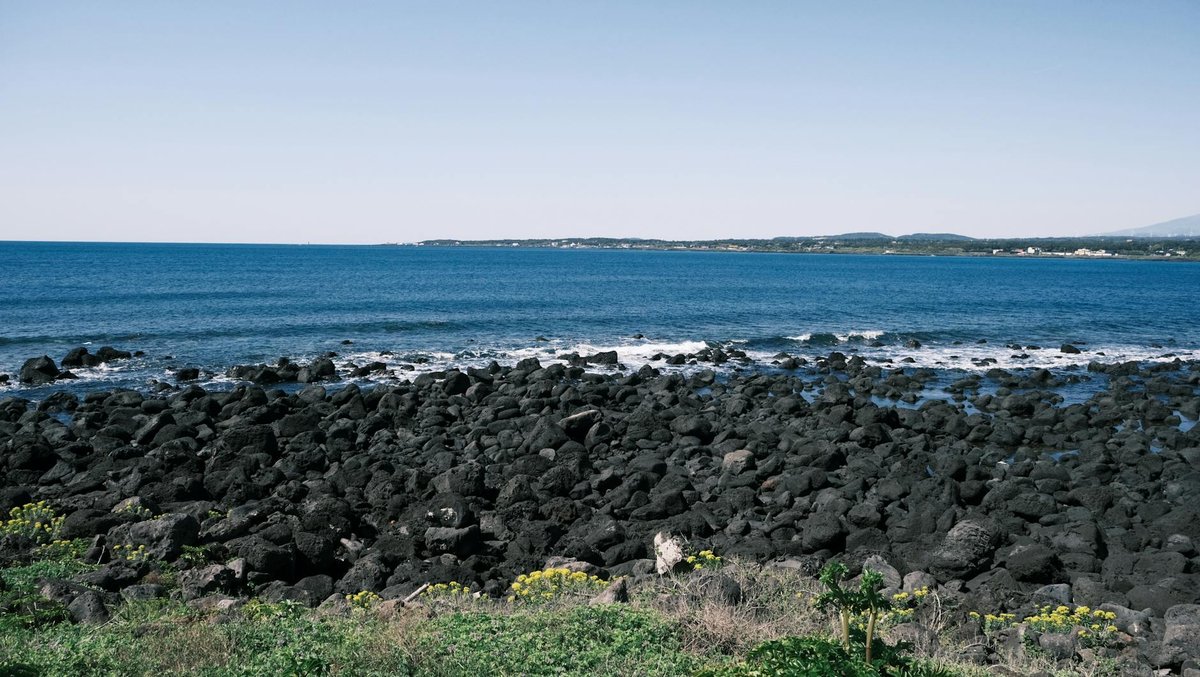
Coastal road closures move fast. The Pyoseon coastal road near the Folk Village closed temporarily twice in the last three years due to storm surge — both times with under an hour's warning. Check jeju.go.kr road condition alerts every morning before departure. It once rerouted an entire day of my itinerary before the closure hit general news coverage. Thirty seconds. Worth it every time.
Frequently Asked Questions
- Is July a good time to visit Jeju Island?
- July is Jeju's rainiest month (300–320mm average) and falls within typhoon season, but it's entirely viable if your itinerary targets indoor and rain-sheltered attractions. Crowds run about 40% lower than October and rental car rates drop by ₩30,000–45,000 per day versus peak season — meaningful savings if you're staying a week.
- How much does rental car insurance cost in Jeju in July?
- Full CDW (자차보험) adds ₩15,000–30,000 per day on top of the base rental fee. This coverage is essential in July — standard policies routinely exclude typhoon and flood damage in the fine print, and Jeju's roadside camera network means any flood exclusion dispute will have video documentation to support the denial.
- What are the best indoor attractions in Jeju for rainy weather?
- The top rain-ready spots are Aqua Planet Jeju (fully indoor, free parking for ~800 cars), Jeju Folk Village Museum (mostly covered paths, free 400-space lot), Teddy Bear Museum in Jungmun, and Jeju Glass Castle in Hankyeong (approximately 70% sheltered). All have free or low-cost parking.
- Is parking free at Jeju tourist attractions?
- Most major Jeju attractions provide free parking — Aqua Planet (800 spaces), Jeju Folk Village (400 spaces), and Teddy Bear Museum (200 spaces) all offer no-cost lots. Paid parking applies in downtown Seogwipo (₩500/30min, capped ₩3,000/day) and Jeju City municipal lots (₩600–1,200/hour).
- What should I check before driving in Jeju during typhoon season?
- Check jeju.go.kr road condition alerts each morning before you leave. Coastal roads near Seongsan and Pyoseon are most vulnerable to temporary closures during heavy rain and storm surge. The Seongsan Ilchulbong crater path also closes independently — always call +82-64-783-0959 before routing there, regardless of what Google Maps shows.
'주차 정보' 카테고리의 다른 글
| 부처님오신날 사찰 드라이브 BEST 5 2026 | 조계사·해인사·통도사 주차 완벽 가이드 (0) | 2026.05.13 |
|---|---|
| 【2026最新・実走175km】済州島7月梅雨レンタカードライブ完全ガイド|雨でも崩れないコース・駐車場料金・営業時間まとめ (1) | 2026.05.13 |
| 【2026最新】ソウル燃灯会の観覧おすすめスポット5選|駐車場料金・地下鉄アクセス完全ガイド (0) | 2026.05.12 |
| Seoul Lotus Lantern Festival 2026: Parking Guide & Best Viewing Spots (0) | 2026.05.12 |
| 부처님오신날 3일 연휴 2026 드라이브 BEST 7 + 각 지점 주차 가이드 (0) | 2026.05.12 |


