Maesil cheong is a no-cook Korean green plum syrup made from just two ingredients — green plums and sugar in a 1:1 ratio — left to slowly ferment for 100 days into a tart, fragrant syrup. If your TikTok feed is full of people layering fruit and sugar in giant jars right now, this is what started it. Cheong (청) is the Korean art of cold-infusing fruit in sugar, and the green-plum version is the original. The plums are only in season for a few weeks — late May through mid-June — so this is the moment to make it.
🌱 What Is Cheong (and Why Is It Everywhere Right Now)?
Cheong is a traditional Korean syrup made by marinating fruit in sugar — no heat, no boiling. Unlike jam, the sugar slowly draws the juice out of the fruit over weeks, lightly fermenting it into a complex, floral syrup. Green plum (maesil) cheong is the most classic, but the technique has gone viral with strawberries, lemons, and more.
It blew up in the West after star chef Nick DiGiovanni made a strawberry version for his 25-million-strong audience. But Koreans have made maesil cheong at home every June for generations. It's the secret sweetener behind countless Korean dishes — and a famous home remedy for an upset stomach.
🔑 The Golden Ratio: 1:1
The entire recipe is two ingredients in equal weight.
- ✅ Green plums (maesil) — 1 kg / ~2 lb (unripe, firm, bright green — NOT soft yellow ones)
- ✅ Sugar — 1 kg / ~2 lb (plain white sugar is perfect)
The 1:1 ratio isn't just for sweetness — that much sugar is what safely draws out the juice and prevents spoilage. Go lighter on sugar and you risk mold or unwanted alcohol fermentation. Where do you find green plums outside Korea? Korean and many Asian grocery stores stock them for a few weeks starting around Memorial Day in the US.
👩🍳 How to Make Maesil Cheong (Step by Step)
- Wash & soak. Rinse the plums in cold water twice. Soak 5–10 minutes (a splash of vinegar in the water helps clean them), then rinse and drain.
- Remove stems & dry COMPLETELY. Pop out the little stem nub with a toothpick. Discard any bruised plums. Dry every plum thoroughly with a towel — any leftover water can cause mold. This step matters most.
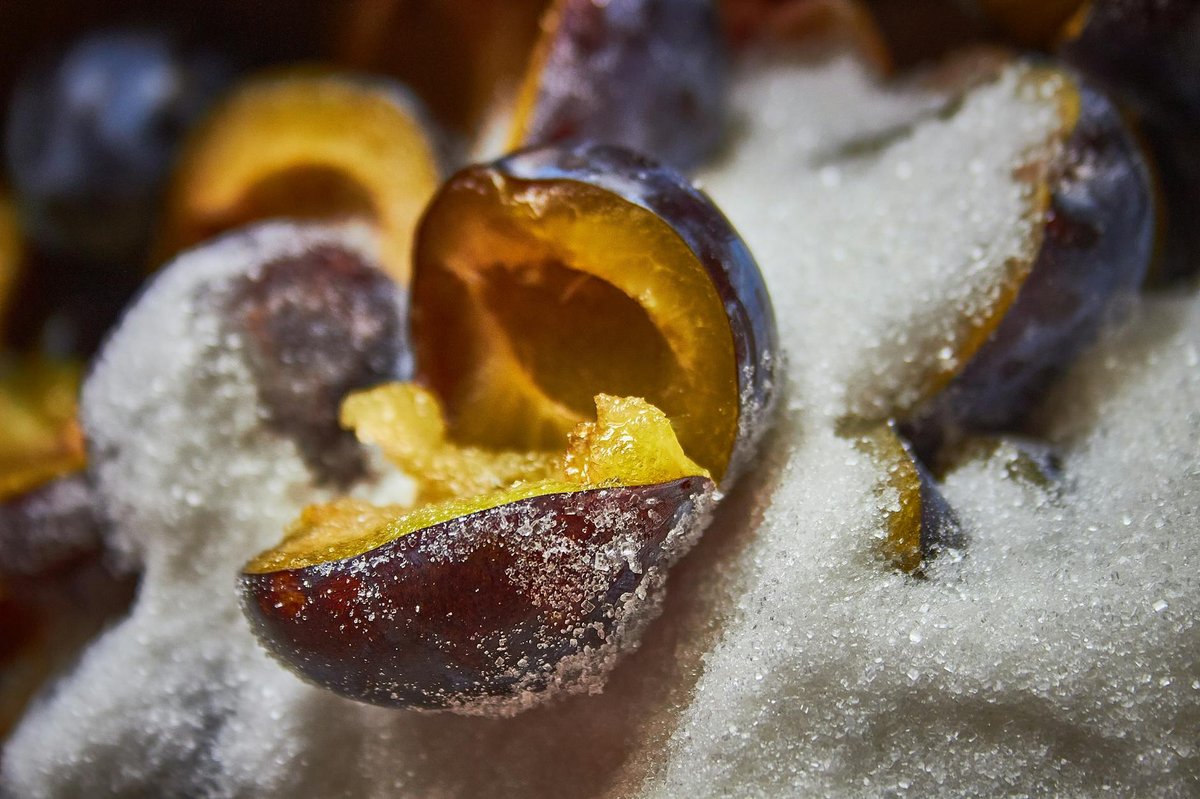
- Layer in a sterilized jar. In a clean, dry airtight jar, add a layer of plums, then a layer of sugar. Repeat. Finish with a thick layer of sugar covering the top.
- Wait & turn. Seal loosely and keep in a cool, dark place. For the first 1–2 weeks, gently tip/turn the jar daily so the sugar dissolves evenly.
- Strain at 100 days. After about 100 days, strain out the plums (save them — they're great chopped into sauces). Bottle the syrup and store in the fridge.
💡 Foolproof Tips (Avoid the 3 Common Fails)
First, dry the plums obsessively. The #1 reason cheong fails is leftover moisture causing mold on top. Bone-dry plums and a sterilized jar solve 90% of problems.
Second, don't skimp on sugar. The full 1:1 ratio is your preservative. If you see bubbling and smell alcohol, it's fermenting too fast — usually from too little sugar or too warm a spot. Move it somewhere cooler.
Third, keep the top sugar layer thick. That blanket of sugar on top seals the plums from air and is your best anti-mold insurance until the juice rises.
🍹 How to Use Your Cheong
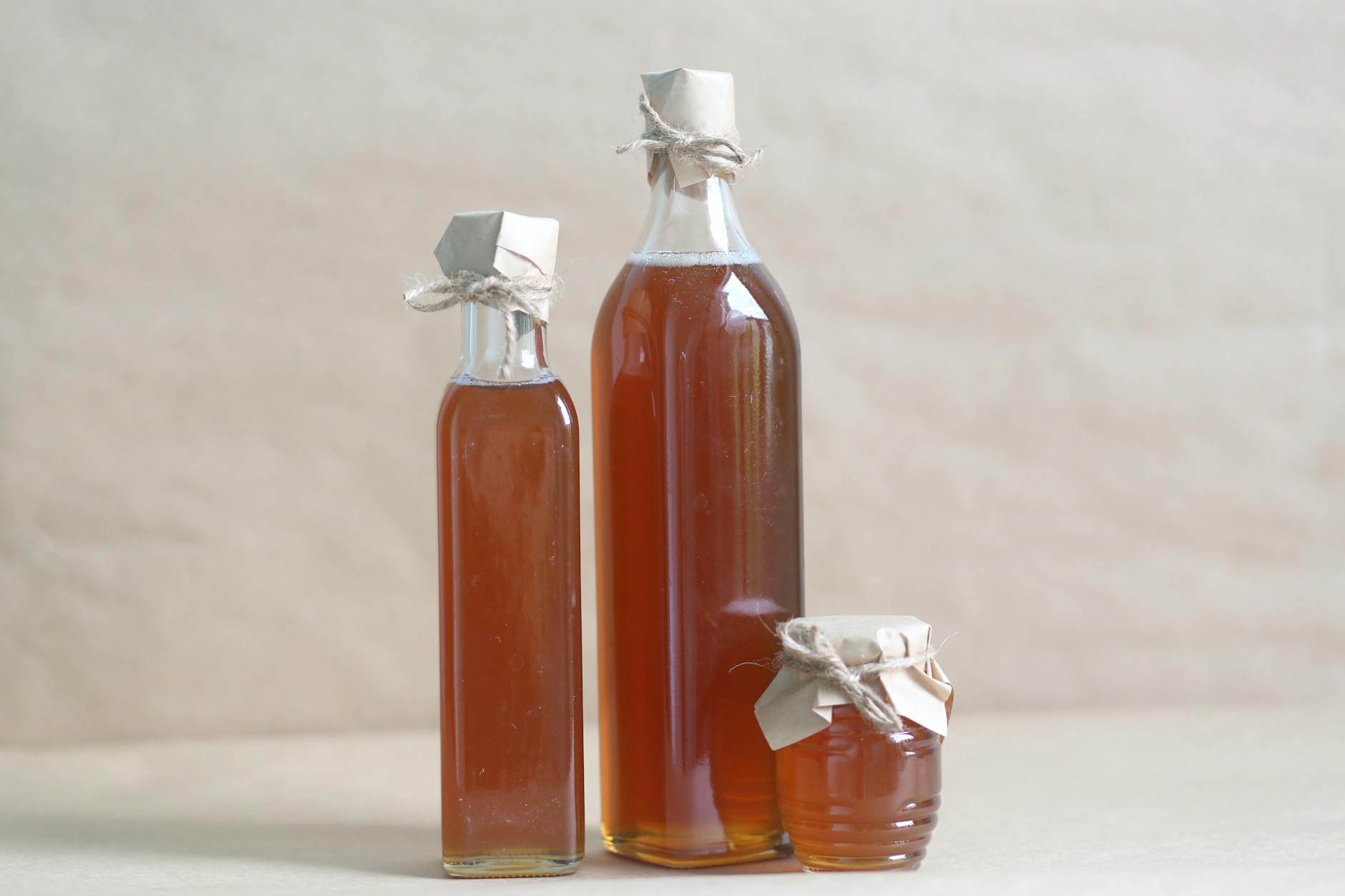
The classic: stir 1–2 tablespoons into cold sparkling water or hot water for instant maesil-cha (plum tea) — incredible over ice in summer. Beyond drinks, it's a powerhouse cooking ingredient: a spoonful balances and deepens marinades for bulgogi or grilled meats, brightens salad dressings and dipping sauces, and Koreans even use it in kimchi instead of sugar. It also shines in cocktails. And that old remedy? A spoonful in warm water when your stomach feels heavy.
❓ Frequently Asked Questions
Q. Can I use ripe yellow plums or regular plums?
A. Use unripe GREEN plums (maesil) for the classic result. Ripe yellow ones are softer and more prone to spoiling the batch. If you truly can't find maesil, the cheong method works with other firm fruit (strawberries, lemons), but the flavor will be different.
Q. How long does it really take — and how long does it keep?
A. Strain at around 100 days for the traditional flavor (some wait a full year). Once strained and refrigerated, the syrup keeps for a year or more thanks to the high sugar content.
Q. Do I need to refrigerate it while it's infusing?
A. No — a cool, dark cupboard is traditional during infusion. Refrigerate only after you strain out the plums. Keep it out of direct sunlight and heat the whole time.
Q. Is cheong alcoholic?
A. It shouldn't be. Properly made with enough sugar, fermentation is minimal and it's non-alcoholic. A faint tang is normal; strong alcohol smell or heavy bubbling means it fermented too much (too little sugar or too warm).
Bottom line: maesil cheong is the easiest fermentation project you'll ever start — two ingredients, no cooking, and a jar that does the work for you. Catch green plums while they're in season this June, keep everything bone-dry, and in about 100 days you'll have a jar of Korea's most beloved syrup. Trust me, it tastes ten times better than anything store-bought. 🌱


