There's a style of cuisine in Korea that most international visitors never encounter — and it's been hiding in plain sight for over 140 years. Korean-Chinese food (한국식 중식) is not Chinese food, not Korean food, and not fusion in any modern sense. It's its own thing: a culinary tradition born when Shandong immigrants arrived in Incheon in the 1880s and slowly cooked their way into Korean culture. 제제 (JeJe) in Seongsu-dong is one of the best places in Seoul to understand what this cuisine can look like when a hotel-trained chef takes it seriously.
🥢 Korean-Chinese Cuisine: A 140-Year-Old Tradition You've Never Heard Of
When Incheon Port opened to international trade in 1883, Chinese merchants — mostly from Shandong Province — settled in what became Korea's only Chinatown. They cooked for Korean customers, adapting Shandong techniques to local ingredients and tastes. Over generations, something entirely new emerged.
The most famous result is jjajangmyeon (짜장면) — black bean noodles that exist nowhere in China in their Korean form. China's original zhajiangmian is savoury and relatively dry. Korea's version uses chunjang (black bean paste sweetened with caramel, developed in the 1950s), a thick glossy sauce, and bulk ingredients like potato and onion added in the 1960s. It became one of Korea's most beloved comfort foods — and yet it's unrecognisable to most Chinese diners.
| Category | Korean-Chinese 한국식 중식 | Authentic Chinese |
|---|---|---|
| Flavour profile | Sweeter, glossier, heavy saucing | Regional variety — Sichuan spice, Cantonese delicacy, Shanghainese richness |
| Texture | Thick cornstarch sauces, silky glazes | Lighter sauces, more textural contrast |
| Iconic dishes | 짜장면, 짬뽕, 탕수육 — exist only in Korea | Mapo tofu, Peking duck, dim sum |
| Where you eat it | Always restaurants — never home-cooked | Both home and restaurant |
Today, a new generation of Seoul chefs — many trained in Hong Kong or at hotel Chinese kitchens — are elevating this tradition. They're bringing hand-pulled noodles, Cantonese dim sum technique, and premium ingredients into small, chef-driven spaces. 제제 is at the centre of this movement.

🏮 About 제제 (JeJe)
제제 opened in Seongsu-dong's Seoul Forest-gil, a 5-minute walk from Seoul Forest Station. The chef trained at the Chosun Hotel's Chinese restaurant, then at L'Escape Hotel's Palais de Chine, and received additional training at Mott 32 in Hong Kong — one of Asia's most respected modern Chinese restaurants. That lineage shows on the plate.
The space is small and intimate — around 5–6 tables in a polished, vintage-inspired room. It fills up fast, especially at weekends. All dim sum is made fresh daily; noodles are hand-kneaded and pulled in-house. This is not the kind of place where things come out of a freezer.
| Detail | Info |
|---|---|
| Address | 46-1 Seoul Forest-gil, Seongdong-gu, Seoul |
| Hours | 11:30 AM – 8:30 PM, closed Mondays |
| Subway | Seoul Forest Station (서울숲역), Suin-Bundang Line, Exit 3 → 5 min walk |
| @jeje_modernchinese | |
| Reservations | Recommended — it fills up, especially evenings and weekends |
🍽️ What to Order at 제제
The menu is concise and well-curated. Here's how to navigate it:
Start with dim sum — share everything
| Dish | Price | Why Order It |
|---|---|---|
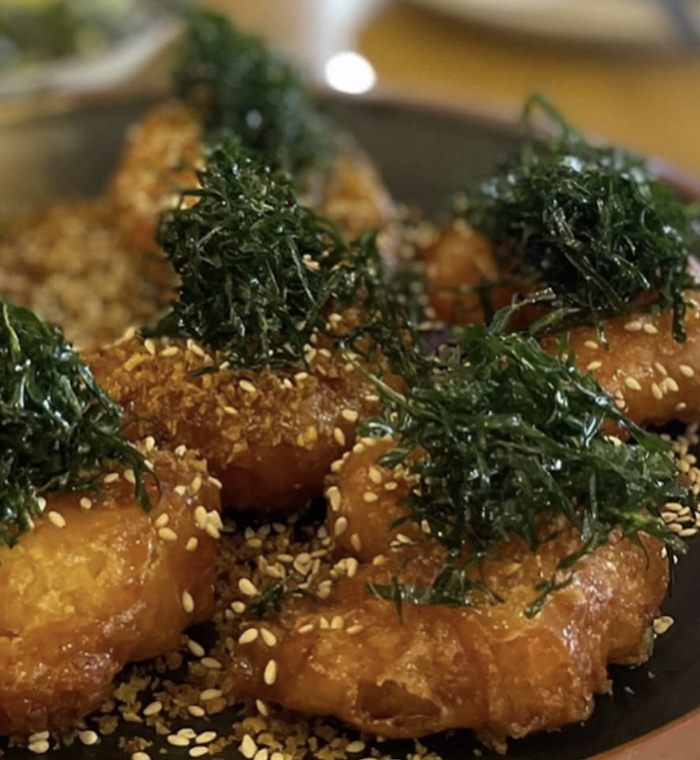
| 크리스피 새우 창펀 Crispy Shrimp Cheung Fun |
₩14,000 | The signature. Order this first. Cheung fun (rice noodle roll) is a Hong Kong dim sum classic — silky, delicate, usually steamed. 제제's version wraps crispy fried shrimp inside the rice roll, then finishes with soy sauce. The contrast of textures is the whole point. Every review of this restaurant starts here. |
| 트러플 메추리알 소매이 Truffle Quail Egg Siu Mai |
₩11,000 | Steamed siu mai with a half-cooked quail egg inside, finished with truffle sauce. Eat in one bite — the egg is the surprise. One of the more elegant dishes on the menu. |
| 새우 하가우 Har Gow / Shrimp Dumpling |
₩9,000 (4 pcs) | The benchmark of any dim sum kitchen — thin translucent skin, plump whole shrimp inside. Simple, but you can tell everything about a chef's technique from how well they do this. |
| 소롱포 Xiao Long Bao / Soup Dumpling |
₩9,000 (4 pcs) | Steamed soup dumplings — thin skin, hot broth inside. The technique required to get these right is what separates serious restaurants from mediocre ones. At ₩9,000 for four, this is exceptional value. |
Noodles — choose one
| Dish | Price | Notes |
|---|---|---|
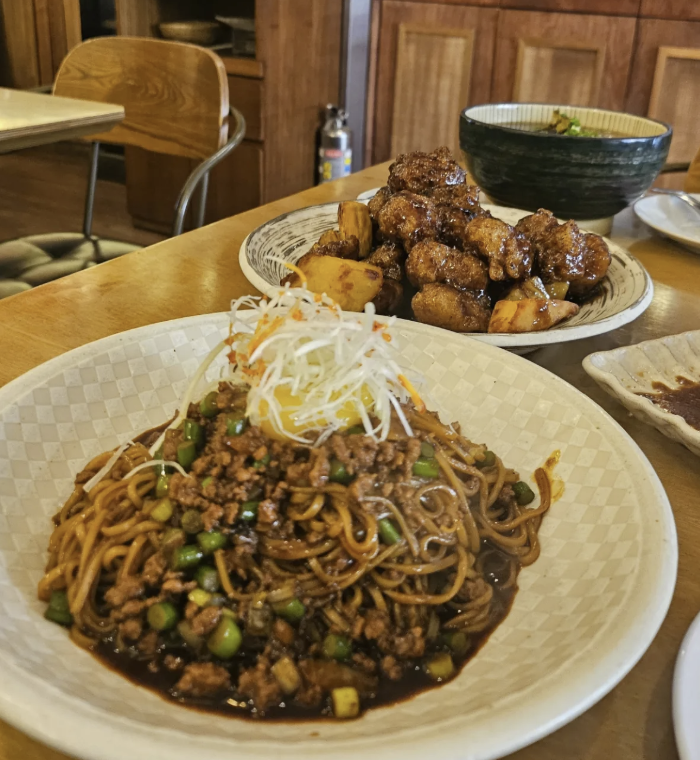
| 제제 짜장면 JeJe Jjajangmyeon |
₩15,000 | The chef's take on Korea's iconic black bean noodle dish. Hand-kneaded, in-house noodles — noticeably lighter and cleaner than the standard Korean-Chinese delivery version. A useful way to understand the difference between Korean-Chinese tradition and a modern chef's reinterpretation of it. |
| 탄탄면 Tan Tan Noodles |
₩15,000 | Sesame and chilli noodles — 제제's version is rich without being heavy. Good option if you want heat without the black bean flavour. |
Mains (for sharing)
| Dish | Price | Notes |
|---|---|---|
| 소홍주 칠리새우 Chili Shrimp |
₩35,000 | Crispy shell, plump whole shrimp, bold chili glaze. One of the most-praised dishes on the menu — order this if you're sharing between two or more. |
| 트러플 해산물 볶음밥 Truffle Seafood Fried Rice |
₩16,000 | A good anchor dish if you're ordering several items to share. The truffle doesn't overpower — it adds depth without turning the dish into a truffle showpiece. |
| 베이징덕 Peking Duck |
₩125,000 | Requires 2-day advance order. If you're planning a special meal and are willing to commit, this is the centrepiece. Not for a casual drop-in. |

💰 How Much Will It Cost?
| Scenario | Approx. Cost Per Person |
|---|---|
| Quick solo lunch (noodles + one dim sum) | ₩23,000–26,000 |
| Full dim sum lunch for two (3–4 shared dishes) | ₩30,000–40,000 / person |
| Group dinner with mains + Peking duck | ₩50,000+ / person |
🚇 Getting There
🚉 Suin-Bundang Line → Seoul Forest Station (서울숲역) Exit 3 → 5 min walk
제제 sits on Seoul Forest-gil, the same street that leads from the station to Seoul Forest Park. The walk from the park entrance to the restaurant is about 10 minutes, making it a natural lunch stop after a morning at the International Garden Show.
❓ FAQ
Q. What is cheung fun (창펀) exactly?
Cheung fun is a Hong Kong dim sum staple — a thin, silky rice noodle roll, usually filled with shrimp, beef, or char siu and served with sweetened soy sauce. 제제's version adds crispy fried shrimp inside, creating a hot-crispy-silky texture contrast that's become their calling card.
Q. Is jjajangmyeon the same as Chinese zhajiangmian?
No — and this is exactly the Korean-Chinese story in one dish. Chinese zhajiangmian uses a savoury, relatively dry fermented bean paste. Korean 짜장면 uses chunjang (black bean paste sweetened with caramel), a thick glossy sauce, and additions like potato and onion. They share a name and a general concept but taste completely different. 제제's version uses house-made noodles and a refined sauce — noticeably lighter than the standard delivery version.
Q. Do I need to book?
Strongly recommended for dinner and weekend lunch. For weekday lunch, arriving when they open (11:30) usually gets you a seat without a reservation.
Q. Is it good for vegetarians?
Some dim sum pieces and the fried rice can work for vegetarians — but the menu leans heavily on seafood and pork. Best to check when booking.


